Denver mold remediation is the complete version of the job. Not a spray-and-wipe, not a coat of stain-blocking primer over a dark spot — the full sequence of isolating the affected area, physically removing contaminated material, cleaning what remains, and confirming the space is clear before anyone rebuilds. If you already know you have growth that's bigger than a bathroom-caulk problem, this is the work you're looking for. Call (720) 637-1978, describe where the mold is and what water got it started, and get connected with an independent local remediation crew working the Denver metro.
Mold that's grown into drywall has to come out under containment. Describe the area and hear what a full remediation scope would involve.
Call (720) 637-1978 NowWhat Mold Remediation in Denver, CO Actually Includes
Remediation follows a recognized order, and the industry reference most crews work from is the IICRC S520 standard for professional mold remediation. When you talk to a pro, ask whether their process follows it. In practice the work looks like this:
- Moisture source confirmed and stopped. No point removing mold that will regrow. The leak, seepage, or condensation gets identified and fixed first, or at least stopped.
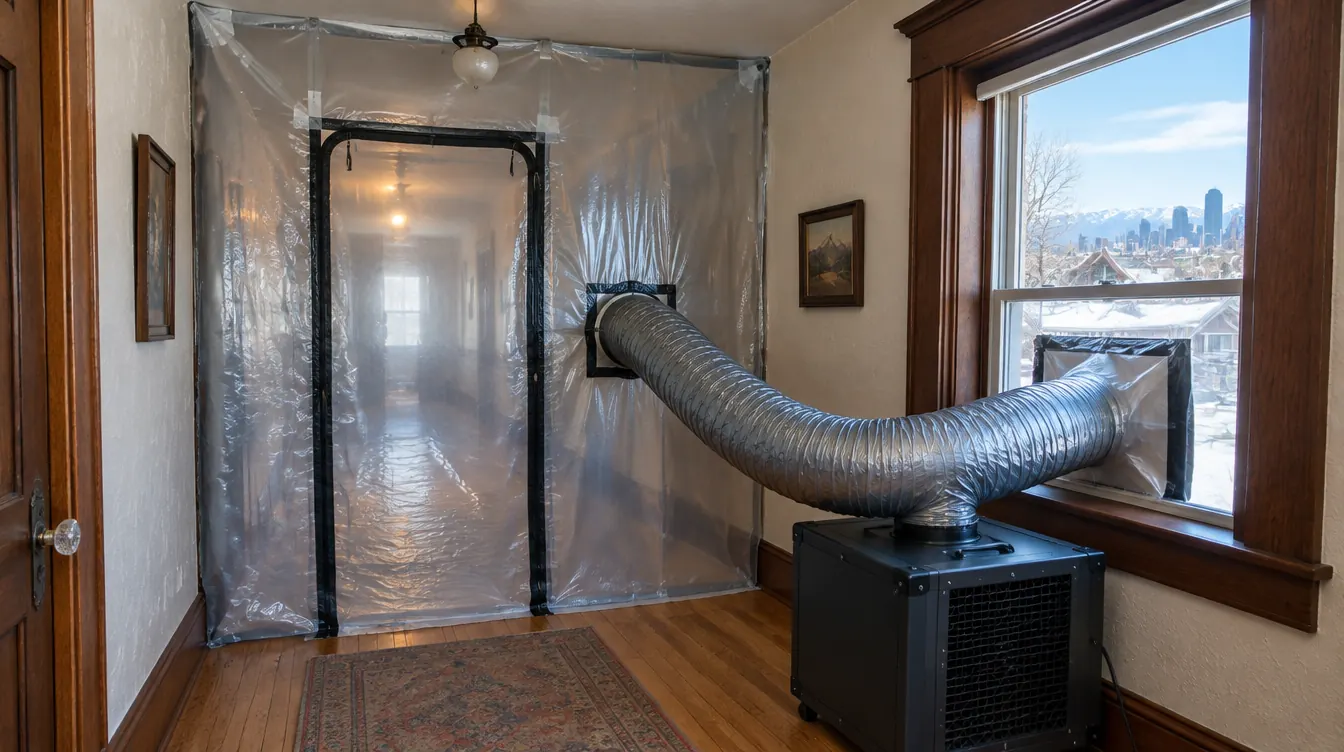
- Containment built to fit the job. A small area might get a mini-containment around one wall. A basement or attic typically gets full plastic containment with a zippered entry, HVAC vents sealed, and the work zone held under negative air pressure so air flows in, not out.
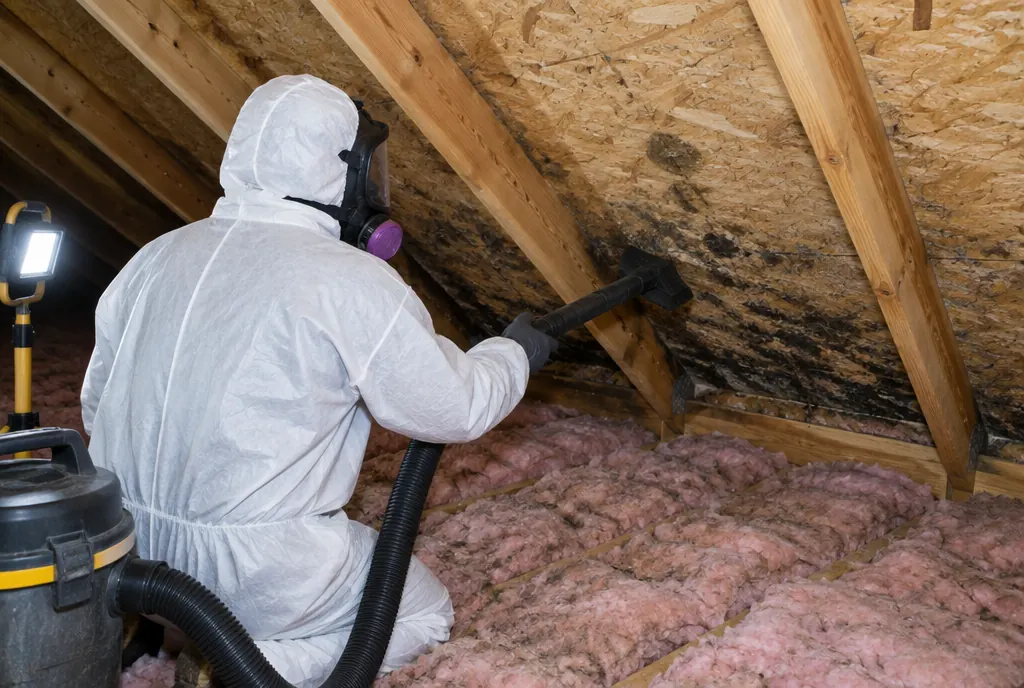
- Removal of porous material. Drywall, insulation, carpet and pad, and ceiling tile that mold has grown into can't be cleaned reliably. They're cut out past the visible edge, bagged inside containment, and carried out sealed.
- Cleaning what stays. Framing, joists, and sheathing usually stay. They get HEPA-vacuumed, damp-wiped, and, where growth has etched into the wood, mechanically cleaned by sanding or blasting.
- Clearance before rebuild. A visual check at minimum; on bigger jobs, post-remediation air sampling by an independent party so the result isn't the remediator grading their own work.
That last step is what separates remediation from cleanup. If you want third-party proof, the mold testing page explains how post-remediation sampling works.
Remediation vs. Mitigation — Which One You Need
People use these words interchangeably, and some companies blur them on purpose. They aren't the same job. Mold mitigation is about stopping things from getting worse: cutting off the moisture, drying the structure, and limiting spread, often in the first day or two after a leak. Remediation is the removal-and-clearance job that follows when growth is already established in building material. A burst pipe caught within hours may only need mitigation. A finished basement that's smelled musty for two winters almost always needs remediation.
Get connected with a crew that seals the zone, runs negative air, and removes contaminated material instead of just the stain.
Call (720) 637-1978 NowProfessional Mold Remediation Denver Homes Commonly Need
Finished basements. The single most common Denver remediation job. Older homes in Washington Park, Park Hill, and the Highlands often have framed walls built tight against century-old foundations, and spring storms push moisture through. The growth sits on the back of the drywall and the bottom plate, so what you see is usually a fraction of what's there. Expect the lower section of wall to come out.
Attics after ice dams. Winter melt-and-refreeze cycles back water under shingles at the eaves, soaking sheathing and insulation. Attic mold remediation in Denver usually means removing wet insulation, cleaning or treating sheathing, and — critically — getting the ventilation or roof flashing problem handed to a roofer so it doesn't repeat.
Under-sink and behind-the-wall plumbing. Slow drips from supply lines and drain fittings feed mold inside wall cavities and cabinet bases for months in a dry house where nothing seems damp. Kitchens and bathrooms in older Capitol Hill and Congress Park homes see a lot of this.
Swamp cooler leaks. Evaporative coolers are common on older Denver roofs. A cracked pan or stuck float can wet a ceiling all summer.
Choosing a Mold Remediation Company in Denver
This site doesn't do the work; it connects you with independent local crews and you hire them directly. Before you sign anything, ask the pro:
- For proof of insurance, including liability coverage for the work.
- Whether the crew follows IICRC S520 and how they'll set containment for your specific job.
- For a written scope that lists what gets removed, what gets cleaned, and what is excluded.
- Who performs clearance testing — and whether it's someone independent of the remediation crew.
- Where their work stops and the rebuild begins, since drywall, paint, and trim are often a separate contract.
Cost and Timing
The size of the affected area and how much material must come out drive the price far more than anything else. Small contained jobs and multi-room basement jobs live in very different ranges; the mold remediation cost guide covers what moves the number. Most residential jobs take a few days of active work, plus drying time if materials are still wet. Start at the Denver mold removal overview if you're still sorting out what kind of problem you have.
Mold in building material doesn't stop growing while you compare options. Call (720) 637-1978, describe the area and the water history, and get a local remediation crew on it.
Ask about independent clearance testing on the call — especially for basement and attic jobs.
Call (720) 637-1978 Now