What to do if you find mold in your house Denver homeowners ask about most often has a simple answer: deal with the water first and the mold second. Denver air is dry most of the year, so household mold almost never comes from the climate. It comes from a leak somewhere: a washer hose, a toilet seal, snowmelt at a window well, an ice dam over the bedroom, a swamp cooler that overflowed all July. The steps below keep a small problem from turning into a big one. If anything about what you found feels beyond a weekend job, call (720) 637-1978 and talk it through with an independent local pro.
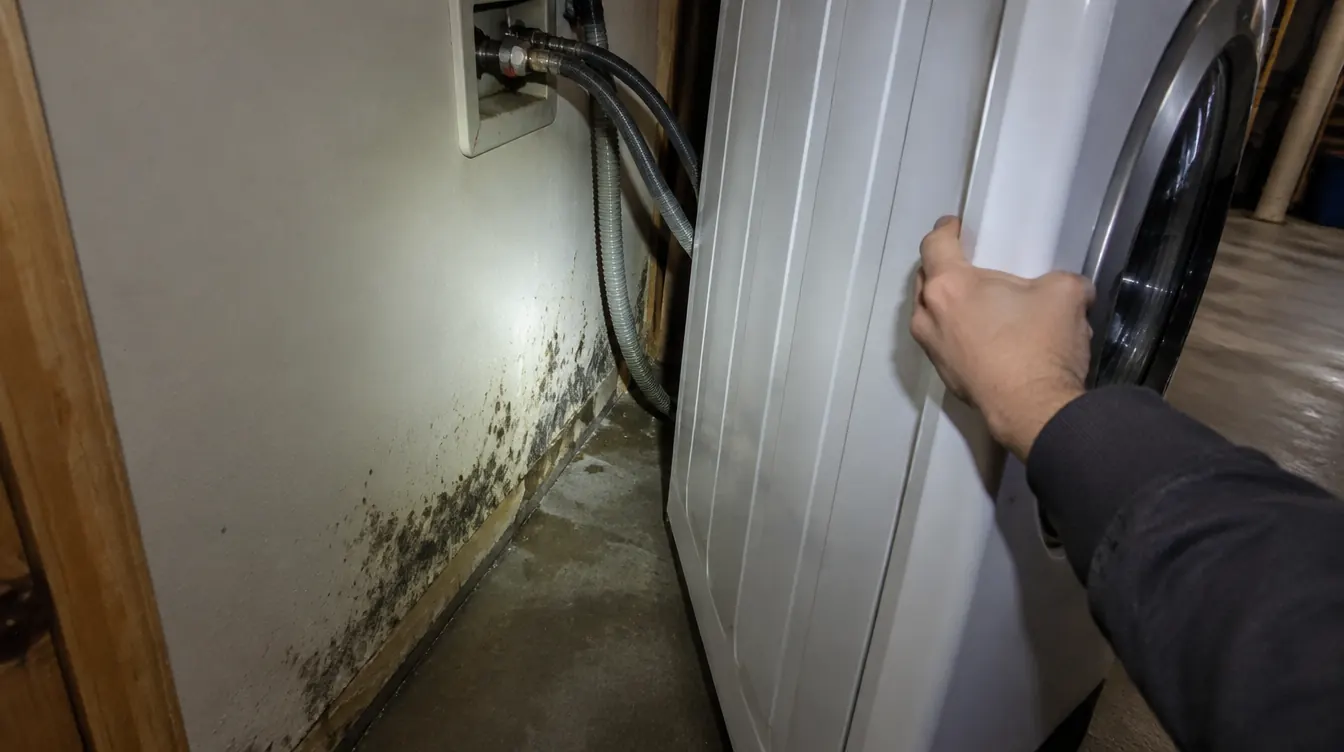
Two minutes describing what you found tells you whether it's a weekend cleanup or a real remediation.
Call (720) 637-1978 NowStep One: Find and Stop the Moisture
Growth means something stayed wet for days. Before you touch the mold, look for the source:
- Plumbing. Check supply lines under sinks and behind the toilet, the washer box, the dishwasher, the fridge ice-maker line, and the water heater pan. Shut off the fixture's valve if you find an active drip.
- Roof and attic. Stains on the ceiling under an eave after a snowy stretch point to ice dams. A ceiling spot near where a swamp cooler duct enters the house points to the cooler.
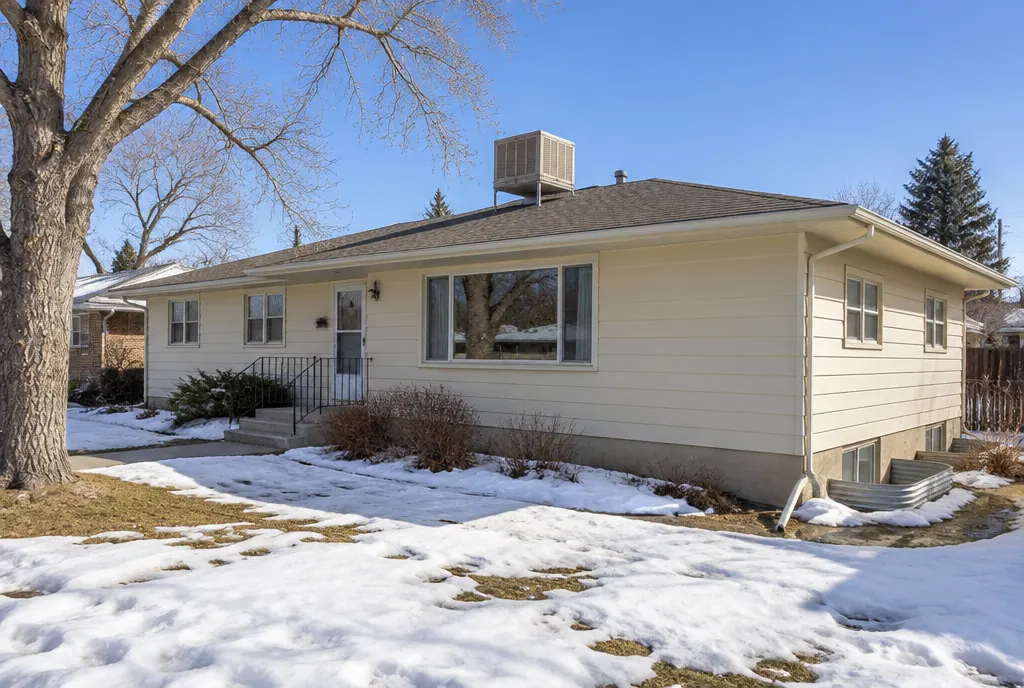
- Below grade. A damp bottom edge on finished basement walls, white chalky residue on the foundation, or a window well full of snow or leaves.
- Humidity sources. A bathroom fan that doesn't vent outside, or a furnace humidifier set too high in winter.
The EPA's guidance is to dry water-damaged materials within 24 to 48 hours to prevent growth. If something is still wet, drying it now is the most valuable thing you can do. The water damage remediation page covers what professional drying involves.
Step Two: Don't Disturb a Large Area
Mold releases spores when you scrape it, sand it, or rip out material. Until you know how big the problem is:
- Don't scrub, sand, or tear out moldy drywall or carpet
- Don't aim fans at it or run a shop vac without a HEPA filter
- Don't paint over it
- Close the door to the room, and if the growth is near a furnace return or supply register, keep the system from pulling air across it
- Take photos of everything, which helps with insurance and with scoping the job
Skip the bleach too. The EPA doesn't recommend biocides like chlorine bleach as a routine part of mold cleanup, and bleach must never be mixed with cleaners containing ammonia.
Should I Clean Mold Myself?
Sometimes, yes. The EPA's rule of thumb is that a moldy area smaller than about 10 square feet, roughly a 3-by-3-foot patch, is usually something a homeowner can handle. Think of spotting on a shower caulk line, a window sill, or a section of unfinished joist. Fix the moisture, wear gloves, goggles, and an N-95 respirator, scrub hard surfaces with detergent and water, dry them completely, and bag and toss small porous items that can't be cleaned.
Call a pro instead when the area is larger than that, when it's inside a wall cavity or the HVAC system, when it came from sewage or a basement flood, when it keeps coming back, or when anyone in the house has asthma or a weakened immune system. The mold inspection page explains how a moisture-first assessment finds hidden growth without opening every wall.
Disturbing mold spreads spores before anyone can contain it. Leave it, close the door, and make the call.
Call (720) 637-1978 NowIs Black Mold Dangerous?
Color doesn't tell you much. Plenty of molds are dark, and you can't identify a species by looking at it. Health agencies treat all indoor mold growth the same way: it should be removed, and the moisture fixed, regardless of type. Mold can trigger allergy symptoms, irritation, and asthma flare-ups, especially in sensitive people, so don't let a large patch sit while you wait on a test result. If you need help deciding what's worth testing, ask a local pro on the phone.
Mold in a Denver Rental
Tenants have specific protections in Colorado. The state's habitability law for rentals (C.R.S. 38-12-503 and 38-12-505) includes mold associated with dampness among the conditions that can make a rental uninhabitable. The landlord's response deadlines start once they receive reasonably complete written notice. Report it to your landlord in writing, keep a copy, take dated photos, and don't start tearing out material yourself. The statute's deadlines have been amended more than once, so check the current law or a Colorado tenant resource for the exact timelines that apply to you.
When to Call for Help
Call when the patch is bigger than a bath mat, when you smell mold but can't find it, when it followed a known leak, or when it came back after cleaning. One note before you dial: this site is a free call-connection service, not a contractor. You'll be connected with independent local pros serving Denver and nearby suburbs, and you choose and hire them directly. For how full removal works, see Denver mold remediation, or start at the Denver mold removal home page.
Describe what you found and where it's wet, then call (720) 637-1978.
Describe the stain, the smell, and anything that got wet nearby. A local pro can often tell you over the phone what it's likely to be.
Call (720) 637-1978 Now