A mold inspection Denver homeowners can act on answers two questions: where is the moisture, and how far has it gone? It's an investigation of the building, not a lab exercise. A pro walks the house with moisture meters and, often, a thermal camera, checks the places Denver homes typically take on water, and tells you what's wet, why, and what has to happen next. That's true whether you're chasing a smell in a Park Hill basement or doing a check before closing on a Lakewood split-level. Call (720) 637-1978, describe what you're noticing and the home's leak history, and get connected with an independent local inspection pro.
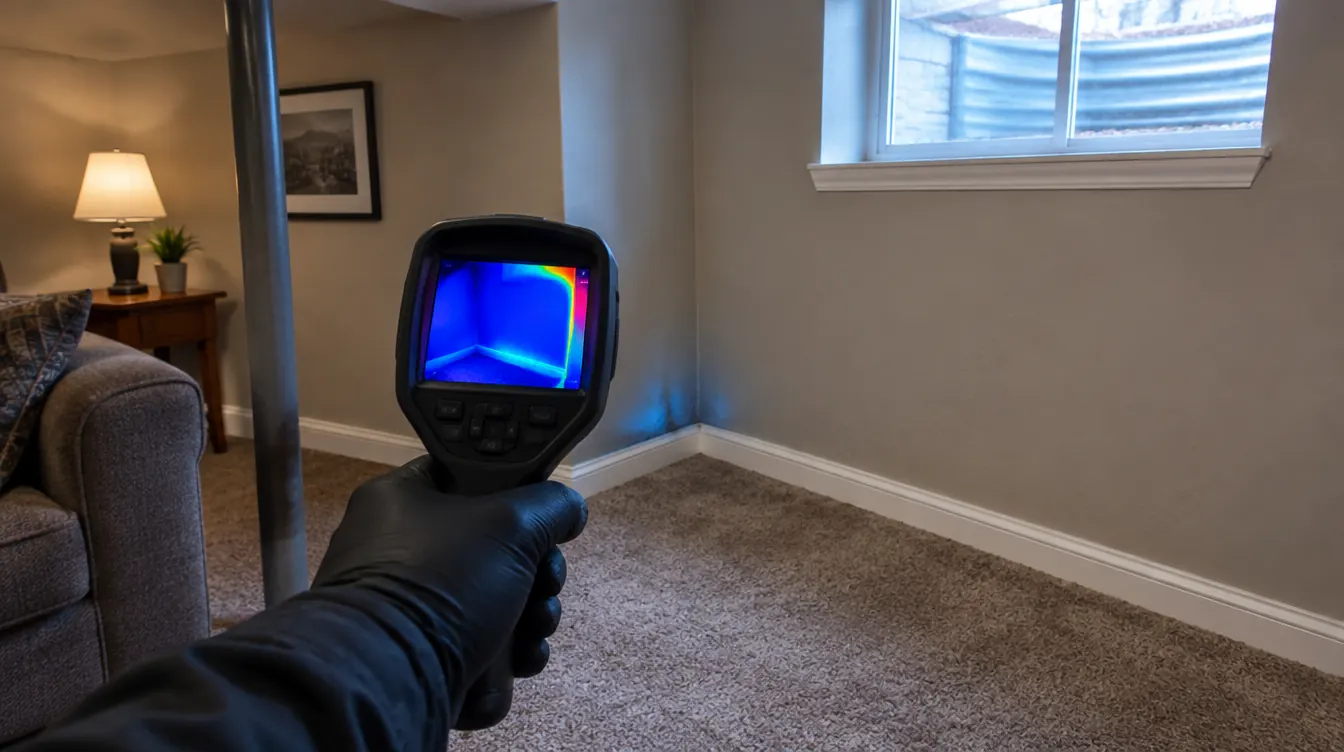
Moisture meters and thermal imaging find hidden water without opening walls. Call and describe where the odor is strongest.
Call (720) 637-1978 NowWhat a Home Mold Inspection in Denver Covers
A thorough visit follows the water, not the stain. Expect the inspector to:
- Interview you first. When did the smell start? Was there an ice dam last winter, a water heater swap, or a toilet overflow? The history steers the whole visit.
- Take moisture meter readings. Pin meters read moisture inside drywall, trim, and framing. Pinless meters scan wide areas without leaving holes. Readings get compared against known-dry material in the same house, which is a useful baseline in a dry city where most interior materials read low.
- Run a thermal imaging scan. A thermal camera shows temperature differences, and damp material usually reads cooler. Denver's cold winter mornings make the contrast between a wet exterior wall and a dry one easier to see. Every anomaly still gets confirmed with a meter, because a cold spot can just be missing insulation.
- Check humidity. A hygrometer reading by room. A damp basement stands out against a house that should be dry most of the year.
- Look closely at trouble spots. Under sinks, behind the dishwasher and fridge, around tubs and showers, at window wells and sills, in the attic, and at the furnace and water heater.
Sampling is a separate decision. Some inspections include it and many don't need it. The mold testing page explains when air or surface samples actually change the outcome.
Where Denver Homes Hide Moisture
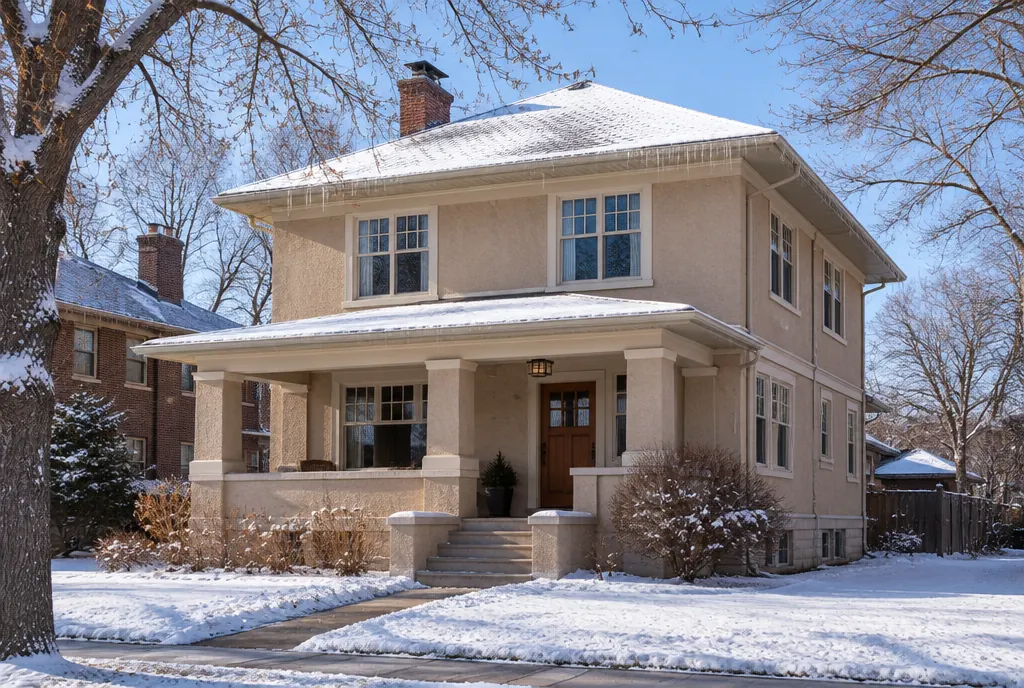
The city's housing stock creates repeat patterns. Bungalows and foursquares in Washington Park, Congress Park, and the Highlands often have basements finished long after the foundation was poured. Framing and drywall sit against old masonry, and seepage after spring snowmelt wicks into the bottom plate where nobody can see it. Window wells that fill with snow or runoff are a classic entry point.
Higher up, ice dams push meltwater under shingles and into attic insulation. Homes with evaporative swamp coolers can stay wet around the cooler's housing or supply duct through a whole summer. Many Denver furnaces also carry whole-house humidifiers, fitted to fight the dry winter air, and a clogged drain line or an oversized setting can dampen ducts and nearby framing. In tighter, newer homes in Central Park and Green Valley Ranch, the usual culprits are bathroom fans that don't vent outside and slow leaks at appliance supply lines.
An inspection maps the moisture so the work that follows is targeted. Set it up with one call.
Call (720) 637-1978 NowMold Inspection Before Buying a House in Denver
A general home inspection is valuable, but it's a broad visual survey. Common home inspection standards of practice don't require the inspector to evaluate mold. If the listing has a freshly painted basement, a dehumidifier running in one corner, staining at the attic sheathing, or a seller's disclosure mentioning past water, a moisture-focused mold inspection is cheap insurance against an expensive surprise.
Timing matters. Colorado's standard purchase contract runs on an inspection objection deadline, so book early enough that results come back while you can still negotiate. Ask the inspector for written findings with photos and moisture readings tied to specific locations. A buyer's agent or seller can work with that. A vague "possible mold activity" line gives them nothing.
What You Should Have When the Inspector Leaves
You should come away with a map of what's wet, the most likely source, and a recommendation. That might be dry it and fix the leak, call a plumber or roofer, or bring in a remediation crew for a defined area. Leave the suspect area alone beforehand. Skip the bleach and the air fresheners, because they mask the odor and staining the inspector uses to find the source.
If the same company that inspects also wants to sell you the removal, it's worth thinking about who you hire. The guide to choosing mold inspectors in Denver covers that conflict and the questions to ask. For the bigger picture of services, start at the Denver mold removal home page.
Have the room, the history, and any closing date in front of you, then call (720) 637-1978 to reach a local pro who does moisture-first inspections.
Finished basements and attics are where problems hide. Describe the house and get an inspection arranged before closing.
Call (720) 637-1978 Now