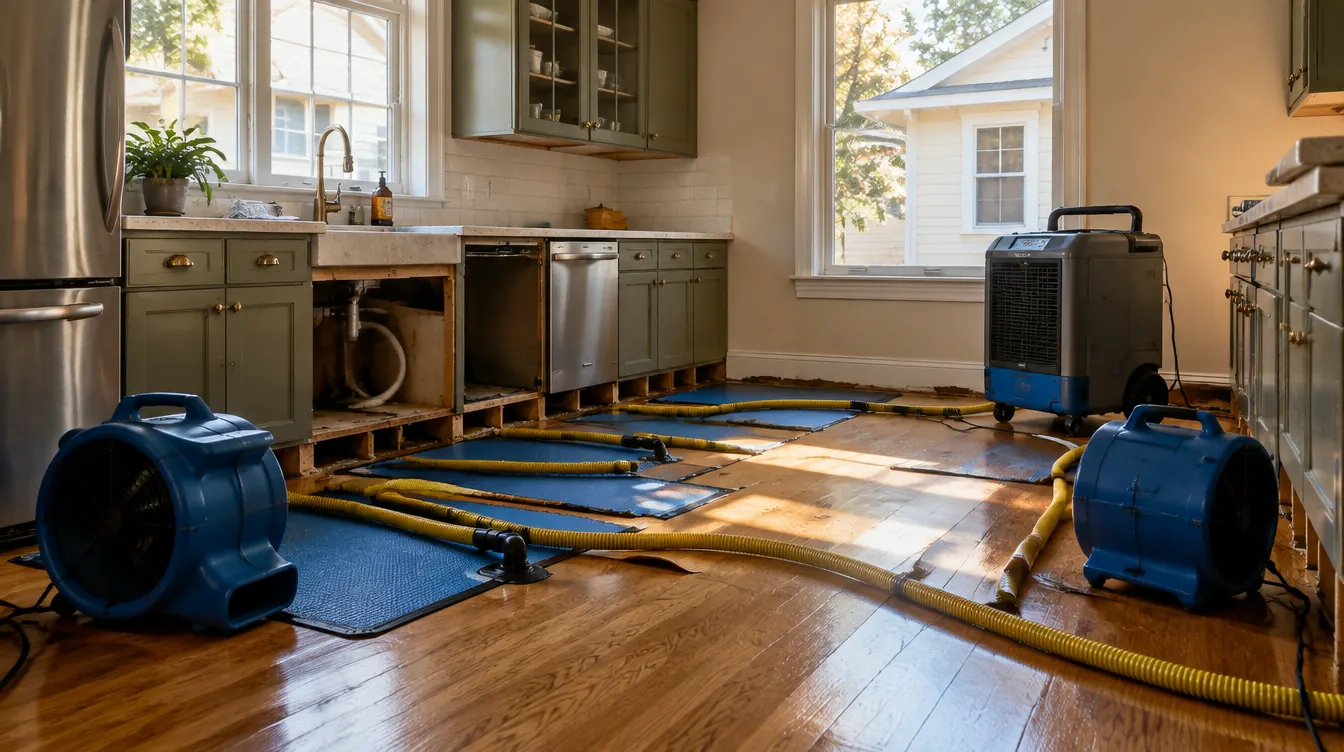
Water damage remediation Denver CO homeowners deal with usually starts the morning after. The burst line is capped, the shop vac is full, the plumber has gone home — and now the question is what to do about soaked carpet, swollen baseboards, and drywall that feels damp a foot up the wall. Remediation is that part of the job: measuring how far the water really went, deciding what can be dried in place and what has to come out, drying the structure to verified levels, and handing it off ready for repair. Call (720) 637-1978, describe what got wet and how long ago, and get connected with an independent local water damage restoration pro serving the Denver metro.
Measured drying and the right tear-out decisions keep mold from showing up after the repairs. Call and describe what got wet.
Call (720) 637-1978 NowWater Damage Restoration in Denver: The Process After the Water's Gone
If water is still on the floor right now, that's an extraction emergency — go to emergency water removal and call. This page covers what happens once the standing water is out, which is where most of the real decisions get made.
Moisture mapping. A crew uses non-invasive and pin moisture meters, and often a thermal camera, to trace where the water traveled: under cabinets, behind baseboards, along the bottom plate, through the subfloor into the ceiling below. The wet footprint is almost always bigger than the visible one.
Dry-in-place or remove. Drywall that's wet but sound can sometimes be dried with air pushed into the cavity. Drywall that wicked contaminated water, insulation that's saturated, and carpet pad generally come out. A typical basement job gets a flood cut — drywall removed a foot or two up from the floor — so the cavity can dry.
Structural drying. Air movers and dehumidifiers are sized to the room and materials, then adjusted daily as readings change. Many residential jobs run several days. Denver's low outdoor humidity helps, but plaster walls in older homes and dense hardwood floors hold water and need patience.
Documentation. Daily moisture logs and photos matter for insurance and for the rebuild contractor, who needs to know framing is actually dry before closing walls.
Repair handoff. Drywall, flooring, cabinets, paint. Some restoration companies do the rebuild; others hand off. Know which before you start.
Water Damage Repair in Denver Homes — What Makes It Tricky
Denver housing creates its own complications. Older homes in Washington Park, Congress Park, and the Highlands often have plaster over lath or multiple layers of wall and floor added over the decades, which trap moisture in pockets a quick look won't find. Finished basements built against original foundations hold water at the bottom plate. Newer homes in Stapleton/Central Park and Aurora subdivisions have open floor systems where water from an upstairs laundry can run along joists and come out a room away. In condo buildings around Capitol Hill and LoDo, water crosses into neighboring units, so early documentation saves disputes later.
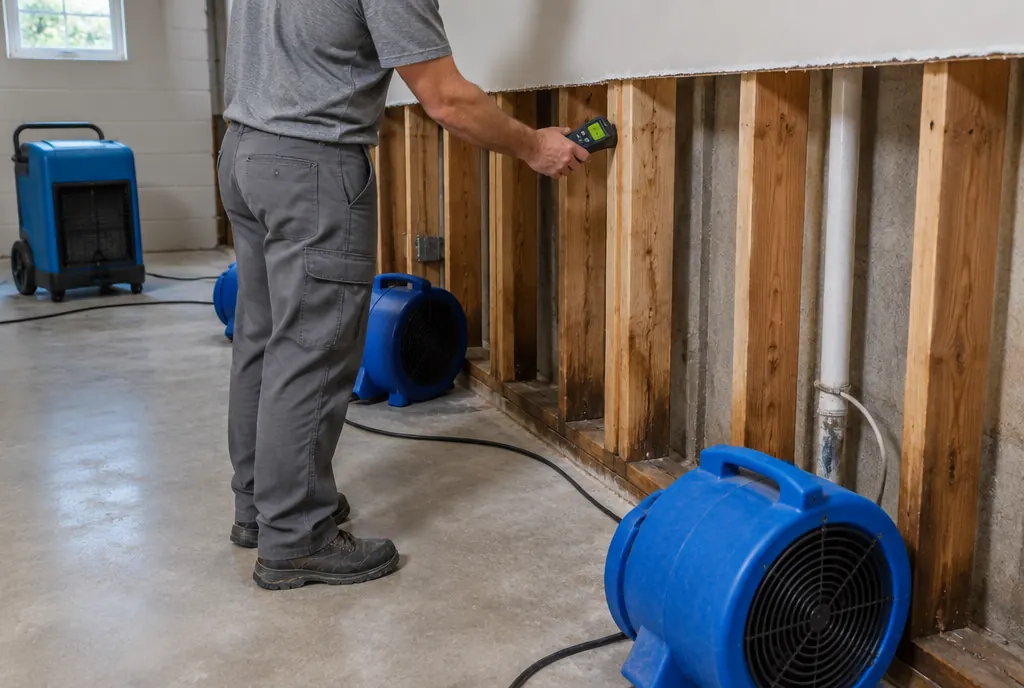
Water travels through ceilings and walls farther than it looks. Get a crew that maps the moisture before deciding what comes out.
Call (720) 637-1978 NowBurst Pipe Water Damage in Denver
Cold snaps in this city arrive fast. A front drops the temperature well below freezing overnight, and pipes in exterior walls, crawl spaces, unheated garages, and under kitchen sinks on outside walls freeze. The burst often isn't noticed until the thaw starts the water moving — sometimes when no one is home. Burst pipe damage tends to be clean water at first, which is the easiest category to restore, but it spreads fast and far through ceilings and walls. Sprinkler and hose bib lines that weren't winterized are another regular source in spring.
Clean, Gray, and Black Water
Restoration crews classify water using the IICRC S500 standard's three categories, and the category changes the job:
- Category 1 — clean water from a supply line or rain. Many materials can be dried in place if addressed quickly.
- Category 2 — water with some contamination, like a dishwasher or washing machine discharge. More material removal, plus cleaning.
- Category 3 — sewage, sewer backups, or floodwater from outside. Porous materials that it touched generally come out, and the area is cleaned and treated before drying.
Clean water that sits too long can degrade toward the higher categories, which is one more reason time matters. Ask the pro which category they're treating your loss as and why.
When Water Damage Turns Into Mold
Materials that stay wet for more than a day or two can begin supporting mold growth. A properly dried job usually ends without mold. A job that was dried by feel, or not dried at all, often turns up a musty smell weeks later. If that's already where you are, the work shifts to mold mitigation — stopping the spread and drying — and possibly full remediation.
Questions to Ask a Water Damage Restoration Pro
This site connects you with independent local restoration crews; you hire them directly. Ask:
- For proof of insurance and any contractor license needed for the repair work.
- Whether they follow the IICRC S500 water damage standard.
- What moisture readings they're drying to, and whether you get the daily logs.
- What they plan to remove versus dry in place.
- Whether they handle the rebuild or hand it off.
For a wider look at mold and water services around the metro, start at the Denver mold removal page.
Every day wet framing stays wet adds to the repair bill. Call (720) 637-1978, describe what happened, and get a local crew drying it properly.
Daily moisture logs and photos make the claim and the rebuild easier. Ask for them when you call.
Call (720) 637-1978 Now