Mold inspectors Denver homeowners call are not all doing the same job. Some are assessment specialists who measure, document, and hand you a written scope, and their work ends there. Others work for, or are, the company that will quote the removal. Both can be competent. But when the person sizing the problem also profits from how big it turns out to be, you should know that before you sign anything. This page covers how to choose an inspector, what to ask, and the warning signs. When you're ready, call (720) 637-1978 and say you want an independent, assessment-only pro.
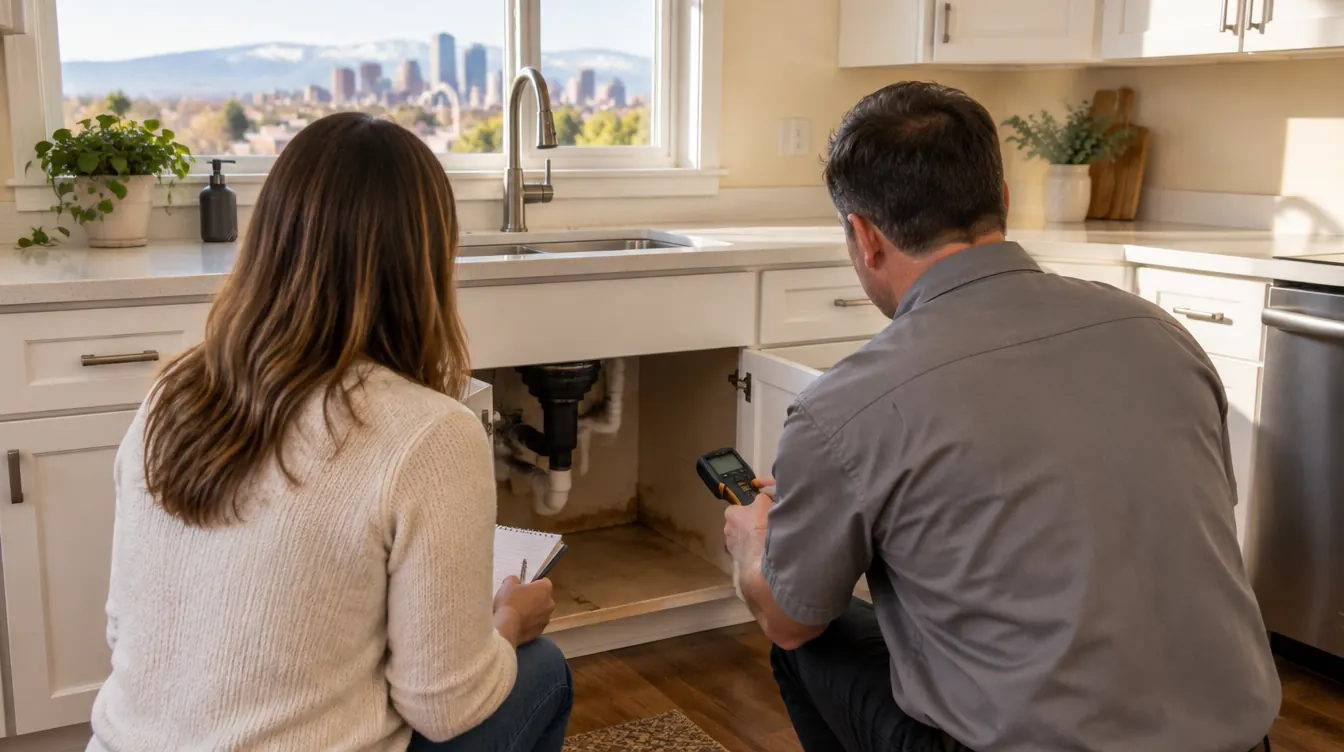
Say so on the call. An inspector who doesn't do the removal gives you an unbiased read on what's needed.
Call (720) 637-1978 NowMold Inspector vs. Remediation Company: The Conflict of Interest
Think of it like a second opinion from a doctor who doesn't do the surgery. An inspector who also remediates has a built-in reason to find more contamination, recommend more demolition, and call for more containment. Many are honest anyway. The structure still puts the pressure on the wrong side.
Some states take this seriously enough to regulate it. Texas and New York, for example, generally bar the same company from both assessing and remediating a single project. Colorado doesn't run a mold-specific licensing program like those states, which means the separation is up to you. The simplest protection: use one company to assess and write the scope, and a different one to do the removal. Then ask the assessor, or another independent pro, to run clearance testing when the work is done.
That arrangement costs a little more at the start. It tends to pay for itself by keeping the removal scope honest, and it gives you a document to compare remediation bids against.
How to Choose a Mold Inspector in Denver
When you get a pro on the phone, ask:
- Do you do remediation, or refer it to an affiliated company? You want a straight answer either way.
- What does the visit include? Moisture mapping with meters, a thermal scan, an attic and crawl space check. The mold inspection page describes what a complete visit looks like.
- Will you take samples, and why? A good inspector explains what each sample is meant to prove, and sometimes says none are needed. The mold testing page covers when sampling actually helps.
- Which lab do you use? Ask whether it's accredited through the AIHA's environmental microbiology program.
- Can I see a sample report? Look for photos, moisture readings by location, a likely source, and a written scope a remediation crew could bid from.
- What training do you have, and do you carry insurance? Ask for proof of insurance, and ask which industry standards they work from. IICRC S520 and EPA guidance are common references.
- How do you handle clearance? Ask whether they offer post-remediation verification and what passing looks like.
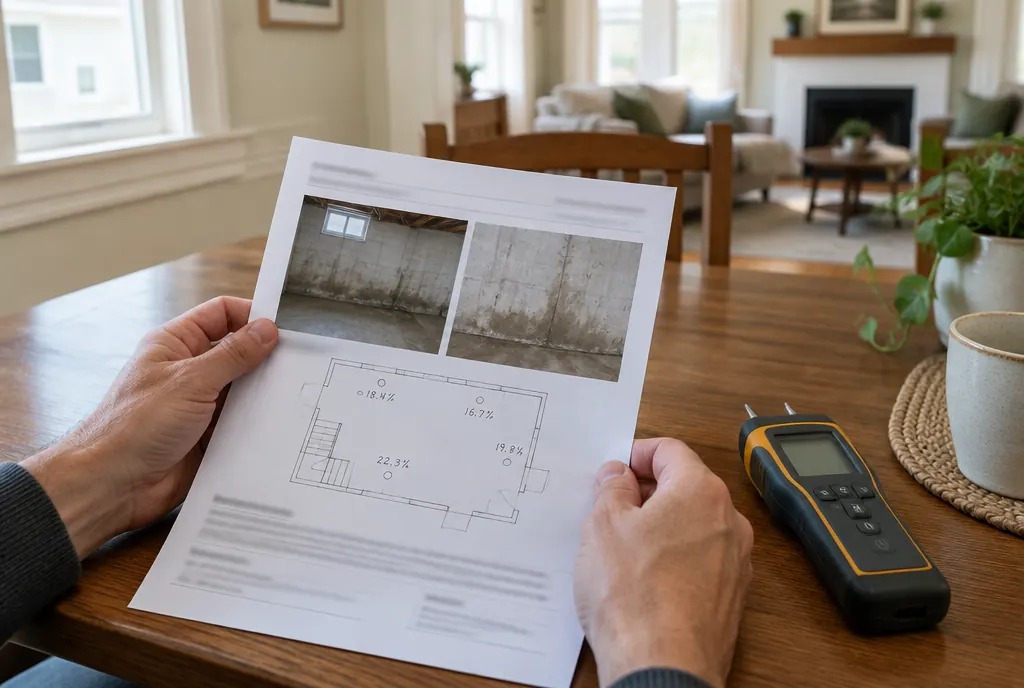
Talk it through with a local pro — sampling plans, lab use, what the report includes — before anyone sets foot in the house.
Call (720) 637-1978 NowRed Flags When Hiring a Mold Inspector
- An inspection at no charge, or deeply discounted, that's bundled with a remediation sales pitch
- Lots of air samples, but no moisture readings and no source identified
- Scare language about "toxic black mold" before any results exist
- A report that recommends removing whole rooms without showing where the readings were elevated
- Pressure to sign a remediation contract on the spot
- No outdoor control sample taken alongside indoor air samples
Picking an Inspector Who Knows Denver Homes
Local experience shows up in the questions an inspector asks. Someone who has worked a lot of Denver homes will ask about the swamp cooler before you mention it. They'll want to know whether the basement in your Platt Park bungalow was finished by a previous owner, and whether ice dams formed over the north eaves last winter. They'll know that a 1960s split-level in Arvada or Littleton has a lower level partly below grade. In a dry city, they'll treat any elevated reading as a signal worth tracing rather than background noise.
Mention your area when you call, whether that's Denver proper, Aurora, Lakewood, Englewood, or Wheat Ridge, along with the type of house.
How This Line Connects You
This site is a free call-connection service, not an inspection company. Your call is routed to independent local pros in the Denver metro, and you choose and hire them directly. If separation matters to you, say so at the start: "I want an assessment and a written scope only, from someone who won't do the removal." That one sentence shapes the whole conversation. More on the full range of services is on the Denver mold removal home page.
Have the address area and what you've noticed ready, then call (720) 637-1978.
A separate inspection can confirm the scope. Describe the situation and get connected with someone who can take a look.
Call (720) 637-1978 Now