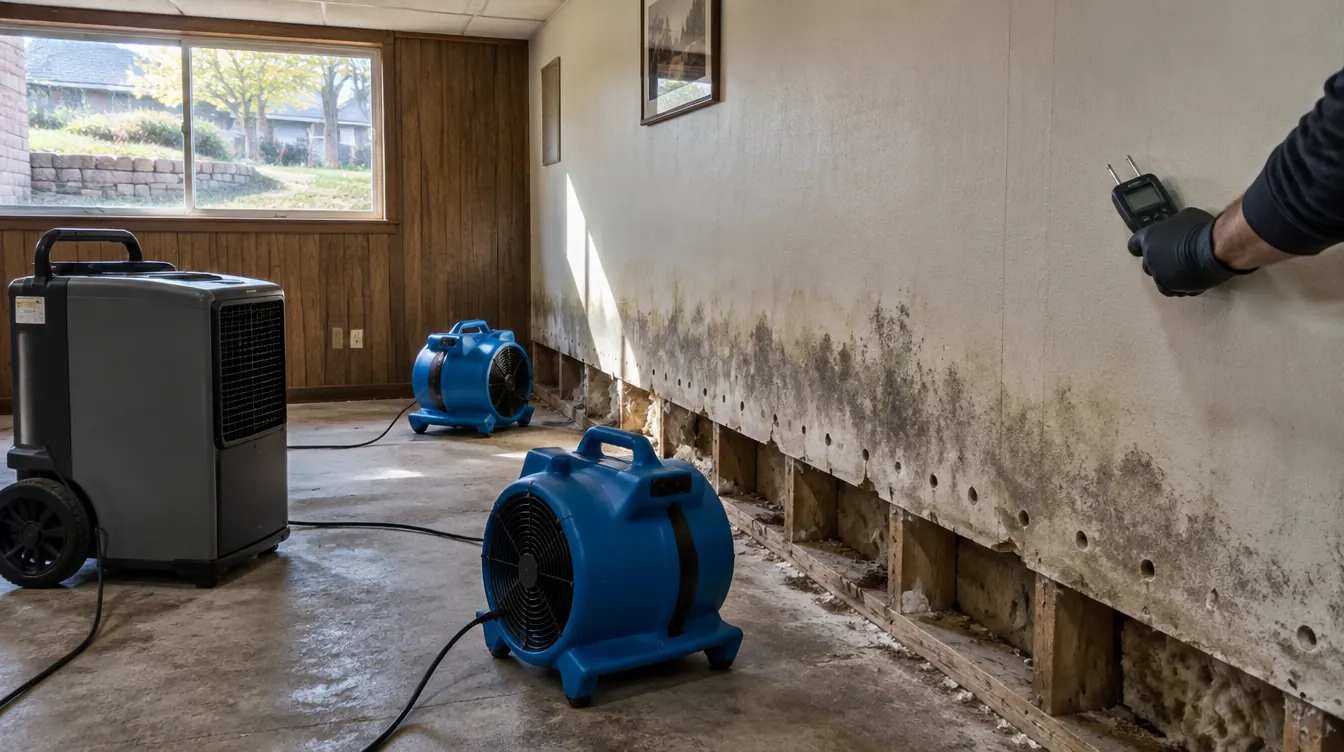
Mold mitigation Denver homeowners call about is usually the early part of the problem: a leak was found, things got wet, maybe there's a first musty smell or a few spots at the base of a wall, and the goal is to stop it right there. Mitigation means cutting off the moisture, drying the structure to measured targets, and keeping any growth from spreading into the rest of the house. Done promptly, it can keep a manageable situation from turning into a full tear-out. Call (720) 637-1978, say what got wet, when, and what you're seeing now, and get connected with an independent local pro who handles mold mitigation across the Denver metro.
Stopping the moisture and drying to real readings can keep a few spots from becoming a tear-out. Call and say what got wet and when.
Call (720) 637-1978 NowMitigation Is Not Remediation — Here's the Difference
The two words get mixed up constantly, so it's worth being precise:
- Mitigation reduces the damage and the risk. Stop the water, dry the materials, control humidity, put up barriers where needed, and remove only the clearly wet or ruined material that would otherwise feed growth. It's often the first step and frequently happens within a day or two of a leak.
- Remediation is the removal-and-clearance job for mold that is already established. Full containment under negative air, cutting out contaminated drywall and insulation, cleaning the framing, and confirming clearance before rebuild.
Plenty of Denver jobs need only mitigation. Some need mitigation first and Denver mold remediation after, once the drying reveals how far growth actually went. A good pro will tell you which you're looking at instead of selling the bigger job by default.
Why Moisture Control Is the Whole Game Here
Denver's dry air works in your favor and against you. In favor: once the water source is stopped, structures dry faster here than in humid climates. Against: surfaces dry quickly while moisture stays trapped inside wall cavities, under vinyl plank, and in carpet pad, so a room can feel fine while the bottom plate stays wet enough to grow mold. That's why mitigation is measured with moisture meters, not by touch. A crew sets dehumidifiers and air movers, sometimes drills small holes to push air into a wall cavity, and logs readings until materials are back to normal dry levels.
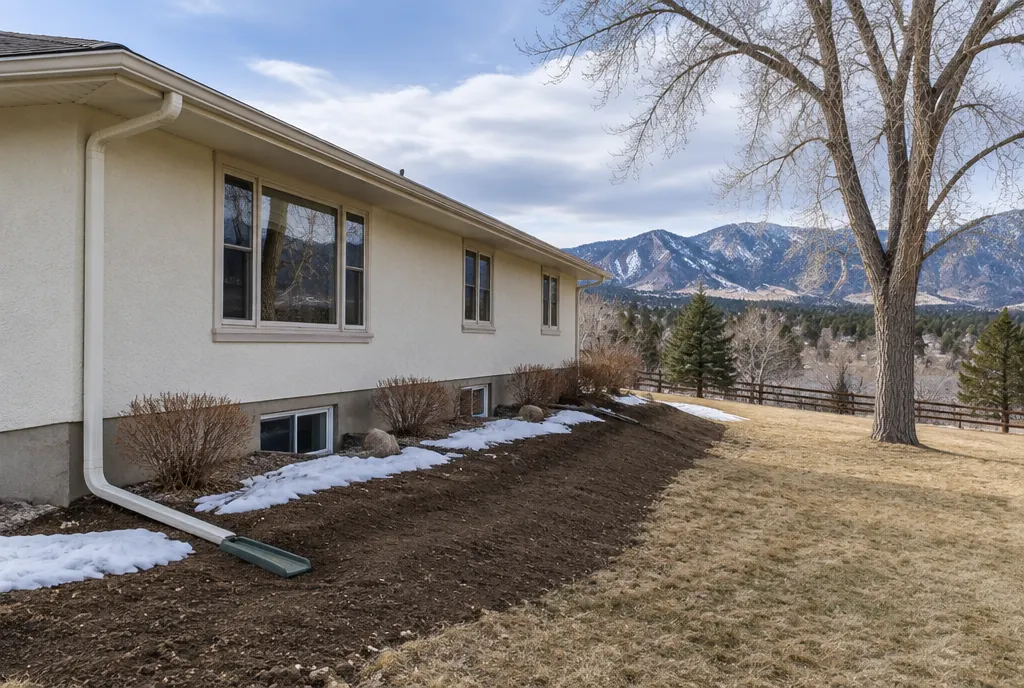
Surfaces dry fast here while wall cavities stay wet. Get a crew that measures moisture instead of guessing by touch.
Call (720) 637-1978 NowBasement Mold Mitigation in Denver
Basements are where mitigation matters most in this city. The common sources:
- Snowmelt and spring rain at the foundation. Short downspouts, flat or reversed grading, and window wells that fill up push water against old foundation walls in the Highlands, Park Hill, and Washington Park. Fixing the outside drainage is part of the mitigation plan, not an afterthought.
- Sump and floor drain trouble. A failed sump pump or a slow floor drain during a heavy storm leaves water sitting under carpet.
- Plumbing in the ceiling above. A leak from an upstairs bathroom runs down inside the basement wall and shows up at the floor.
- Split-level lower floors. The 1960s–70s split-levels and bi-levels common in Lakewood, Arvada, and Littleton have lower levels partly below grade, with finished walls on the earth side.
Mitigation in these spaces usually means pulling baseboard and carpet pad, cutting a flood line in drywall if water wicked up, drying the cavity, and treating any early surface growth before it gets into the material.
Crawl Space Mold in Denver Homes
Some older Denver homes and additions sit over a crawl space instead of a full basement. Bare soil, a missing or torn vapor barrier, and a plumbing leak overhead can keep the space damp enough for mold on joists and subfloor. Mitigation here focuses on stopping the water, drying the space, and laying or repairing the vapor barrier. Ask the pro whether any growth on the wood needs cleaning now or whether it's limited enough to address once dry.
Other Moisture Sources Mitigation Addresses
- Swamp coolers. Evaporative coolers on older roofs and in attic windows can overflow or leak, wetting ceilings and attic insulation through the summer. Mitigation means shutting down and repairing the cooler, then drying what got wet.
- Bathroom humidity. No exhaust fan, or one vented into the attic instead of outdoors, can put enough moisture into a closed-up winter house to grow mold on ceilings and around windows.
- Frozen pipe bursts. Arctic cold snaps freeze lines in exterior walls and crawl spaces; the leak often starts when the thaw comes.
If water is still actively pouring in, that's an extraction job first — see water damage remediation for how drying and repair fit together.
Questions to Ask Before Mitigation Starts
This site connects you with independent local pros; it doesn't employ crews. When a pro comes out, ask:
- What's the moisture source, and who fixes it — them, a plumber, a roofer?
- What moisture readings are they drying to, and will they share the log?
- What material, if any, are they removing now, and why?
- At what point would they recommend escalating to full remediation?
- For proof of insurance before work begins.
The Denver mold removal overview covers the full range of mold and water jobs if you're not sure where yours fits.
The sooner the drying starts, the smaller the job. Call (720) 637-1978, describe what got wet and when, and get a local mitigation pro moving on it.
Describe the walls, the carpet, and the drainage outside. A local pro can tell you whether it's a drying job or something bigger.
Call (720) 637-1978 Now